









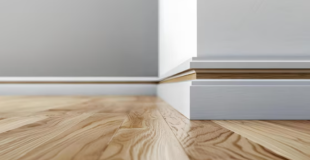
In home interiors, it’s often the subtle details that make the biggest difference. One such detail is the skirting board, and the torus skirting board stands out for its soft curves and versatile style. Featuring a smooth, semi-circular profile near the top edge, this skirting design introduces a gentle flow along the base of the wall. Whether used in classic or contemporary settings, it offers both practical benefits and visual elegance.
A Design That Enhances Any Room
The torus skirting board’s distinctive curved top edge gives it a balanced aesthetic that suits various room styles. It is neither too plain nor too ornate, which makes it a go-to choice for designers, builders, and homeowners seeking a timeless look. The curved shape draws the eye gently around the room, contributing to a cohesive and complete appearance.
Its clean lines also help highlight flooring, furniture, and wall colours. In modern spaces, it adds softness to sharp angles. In traditional homes, it blends effortlessly with detailed architraves and decorative moulding. This versatility means the torus profile can be used throughout the entire home, from hallways and living rooms to bedrooms and dining areas.
Practical Protection for Interior Walls
While style plays an important role, torus skirting boards also serve a protective purpose. Positioned at the bottom of walls, they guard against everyday wear caused by vacuuming, furniture movement, and foot traffic. The board acts as a barrier between the wall and these potential sources of damage, helping preserve the look of painted or plastered surfaces.
In addition, torus skirting helps conceal unsightly gaps at the base of walls, especially where flooring meets the plaster. This is particularly important in homes with wooden or laminate flooring, where expansion gaps are necessary but not always visually appealing. The result is a neater, more professional finish.
Available in a Range of Finishes and Materials
Torus skirting boards come in various materials including MDF, softwood, and hardwood. MDF is commonly used for its smooth surface, affordability, and readiness for painting. Solid wood options, such as oak or pine, provide a more natural look and can be stained or varnished to match flooring or furniture.
They also come in different sizes and thicknesses, allowing for greater design flexibility. Taller boards add a sense of height and presence to rooms, while shorter ones deliver a more subtle look. Regardless of size, the gently rounded torus shape remains constant and effective.
Easy to Paint and Maintain
Painting a torus skirting board is straightforward, thanks to its smooth profile. The curve catches light subtly, which enhances the overall appearance when finished with gloss, satin, or eggshell paint. Because it has fewer deep grooves than more intricate mouldings, it’s also easier to clean and less likely to collect dust.
This simple upkeep, along with its durable materials, makes torus skirting a long-lasting and low-maintenance solution for finishing the base of walls.
A Smart Addition to Any Interior Project
Adding torus skirting boards is an effective way to refine the look of a room without overwhelming the overall design. Their subtle curves introduce visual softness and a sense of continuity, while their practical functions help protect walls and tidy up the wall-floor junction. For anyone seeking a durable, stylish, and easy-to-install trim option, torus skirting delivers both form and function.