



Termite control has become an essential part of property maintenance as structures face increasing exposure to hidden infestations. These silent invaders are known for causing gradual yet significant damage, often going unnoticed until repairs become extensive. A professional approach to Termite Control (除白蟻) ensures that risks are minimized, structures remain strong, and property value is preserved over time.
Why is termite control considered a critical investment for property owners?
Termites feed on cellulose-based materials, making wooden structures particularly vulnerable. Research-driven pest management strategies highlight that early detection and control significantly reduce repair costs and structural risks. Investing in termite control provides a protective barrier that supports long-term stability and safeguards both residential and commercial assets.
How do experts identify termite activity effectively?
Professional termite control begins with a thorough inspection process that targets both visible and concealed areas. Specialists evaluate soil conditions, moisture levels, and structural vulnerabilities to detect termite presence. Advanced detection tools and systematic assessments ensure accuracy, allowing for targeted treatment plans that address the root of the problem rather than just the symptoms.
What treatment methods are commonly used in modern termite control?
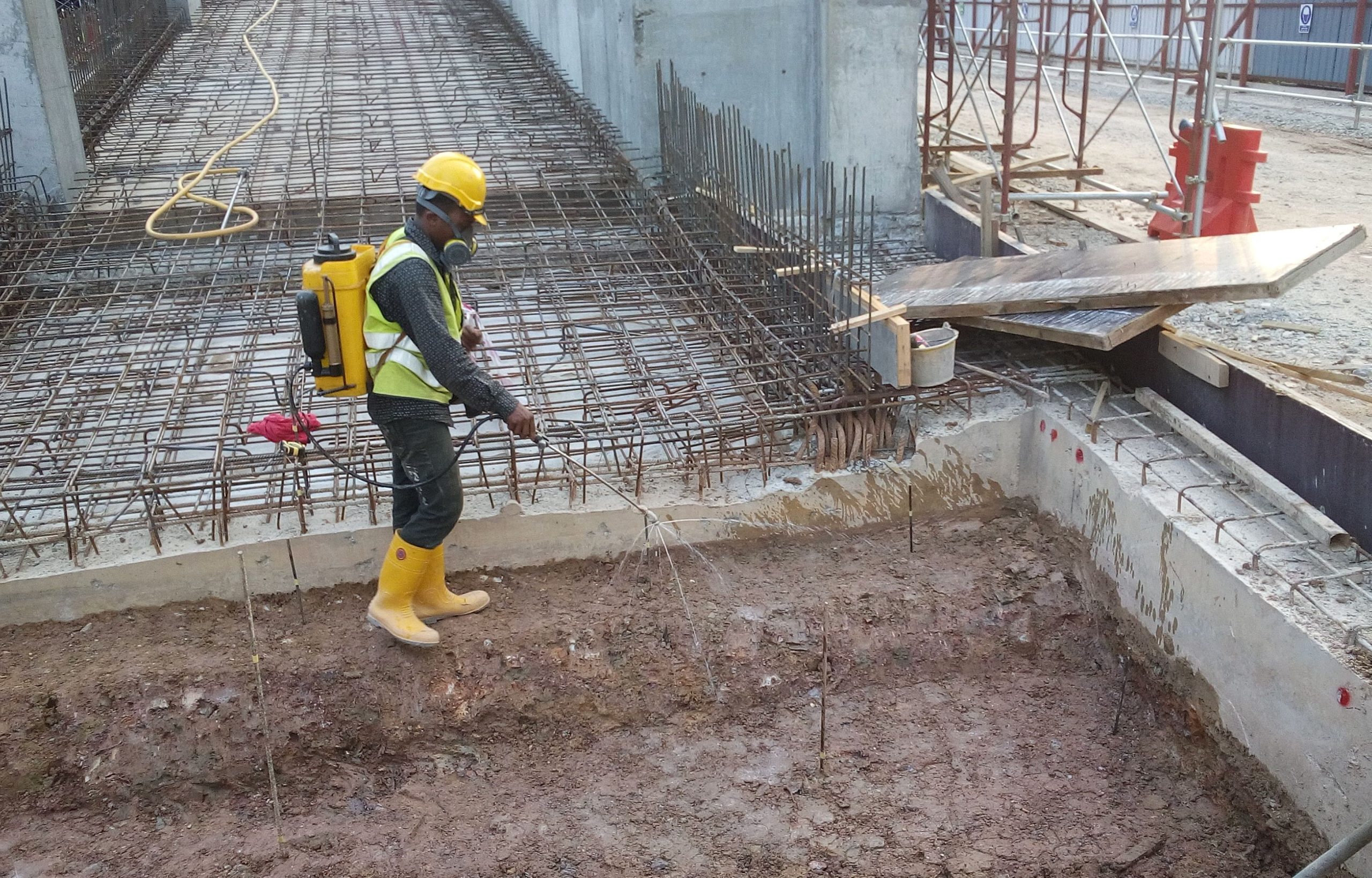
Today’s termite control solutions combine innovation with environmental responsibility. Techniques such as soil treatments, baiting systems, and wood protection methods are designed to eliminate colonies and prevent re-infestation. These methods are applied with precision, ensuring maximum effectiveness while maintaining safety for occupants and surrounding environments.
How does termite control contribute to structural durability?
A well-executed termite control program reinforces the integrity of a building by eliminating internal threats. By targeting termite colonies at their source, professionals prevent further damage and stabilize affected areas. This proactive protection extends the lifespan of structures and reduces the likelihood of costly renovations in the future.
Why is customized termite control important for different properties?
Each property has unique architectural features and environmental conditions that influence termite activity. A tailored termite control plan considers factors such as building materials, geographic location, and infestation severity. This personalized approach ensures that treatments are both efficient and sustainable, delivering optimal results without unnecessary interventions.
How does technology enhance termite control services?
The integration of modern technology has transformed termite control into a highly precise process. Monitoring systems, data analysis, and eco-friendly formulations allow professionals to track termite behavior and adjust strategies accordingly. These advancements improve treatment accuracy and support ongoing prevention efforts, making termite management more reliable than ever.
What role does prevention play in termite control success?
Preventive measures are a cornerstone of effective termite control. Regular inspections, moisture management, and structural maintenance help reduce the likelihood of infestations. By addressing potential risk factors early, property owners can maintain a termite-resistant environment and avoid disruptions caused by extensive treatments.
How do professional services ensure safety during termite treatments?
Safety is a top priority in termite control operations. Professionals use regulated products and follow strict application guidelines to ensure minimal impact on human health and the environment. Careful planning and controlled execution create a secure treatment process that delivers results without compromising safety standards.
What benefits do ongoing termite control programs provide?
Continuous termite management programs offer long-term peace of mind. Routine monitoring and maintenance treatments help detect any new activity early, ensuring swift action. This consistent approach maintains a protective barrier around the property, reducing risks and supporting uninterrupted functionality.
How does termite control add value to a property?
Properties with effective termite control measures are more attractive in the market due to their enhanced structural reliability. Buyers and investors often prioritize well-maintained buildings, making termite control a valuable asset. It reflects responsible ownership and contributes to overall property credibility.
Conclusion
Termite control is a strategic solution that combines expertise, technology, and preventive care to protect valuable structures. By addressing infestations with precision and maintaining ongoing vigilance, property owners can ensure long-term durability and safety. A professional termite control approach not only eliminates immediate concerns but also builds a foundation for sustained protection, making it an essential component of modern property management.